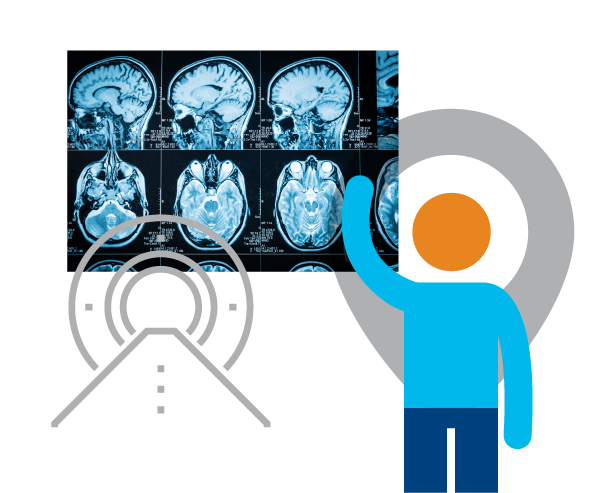
Why Lung Cancer Awareness Matters
Lung cancer often presents no symptoms in its early stages, making it difficult to detect without appropriate screening. However, early diagnosis significantly improves survival rates. Regular check-ups, awareness of risk factors, and advanced screening technology can help identify lung cancer before symptoms develop.
Key Risk Factors to Be Aware Of
- Smoking: The leading cause of lung cancer, responsible for approximately 80-90% of cases.
- Environmental Exposure: Prolonged contact with asbestos or air pollutants.
- Family History: Genetic predisposition increases the likelihood of developing lung cancer.
- Lifestyle Factors: A sedentary lifestyle and poor diet may contribute to risk.
Symptoms to Watch For
While lung cancer may not always show signs early, some common symptoms include:
- Persistent cough or changes in a chronic cough
- Shortness of breath
- Chest pain
- Unexplained weight loss
- Coughing up blood
If you or a loved one experiences any of these symptoms, consult a healthcare provider immediately.
How You Can Take Action
- Learn Your Risk: If you have a history of smoking or environmental exposure, consider a lung health assessment.
- Book a Screening: Use our easy online system to find a clinic at a location near you.
- Share Awareness: Encourage friends and family to prioritise their lung health.
Take the First Step Toward Healthier Lungs
Your lungs deserve the best care. Don’t wait—early detection can save lives. Book your lung cancer screening and take a proactive step toward a healthier tomorrow. Make your health a priority today.
Fact or Fiction
There’s more than one type of lung cancer.
Fact! Lung cancer is the uncontrolled growth and spread of abnormal cells within the lungs. When these abnormal cells grow and spread they can form tumors and majorly disrupt the normal functioning of the lungs.
With both types of lung cancer (non-small cell lung cancer and small cell lung cancer), early and accurate diagnosis is crucial for determining the correct staging and informing the best treatment plan.
Only smokers can get lung cancer.
False! Lung cancer is caused by the growth and spread of abnormal cells. Cells become abnormal for a range of reasons including smoking, genetics, and exposure to pollution, smoking, dust, asbestos, silica, fumes, etc.
Lung cancer can be hereditary.
Fact! Lung cancer can be hereditary in some cases. If you have a family history of lung cancer, it is worth limiting your exposure to other lung cancer risk factors, paying attention to your lung health, and getting checked if you grow concerned.
Lung cancer can be cured.
Fact! Absolutely! Lung cancer is curable, however, of all the cancers, it does cause the most deaths in Australia. The key, as with any cancer, is to know your risk, know the symptoms, and get checked as soon as possible.
You don’t live long after being diagnosed with lung cancer.
False! Prognosis is unique to the person. The stage of the cancer, available treatment options, and general health and age of the person all contribute to how long a person will live with treatment. Some will make a full recovery and be able to return to their pre-cancer lives. The most crucial factor in determining the outcome of a person’s lung cancer treatment is the age of the cancer – young cancers caught early are much more treatable
Disclaimer: Please note, if you have any questions or reservations about an upcoming radiology scan, it is always recommended to consult with your healthcare provider, who can address your concerns directly. This is general information, not tailored to a specific individual. Please read our Terms and Conditions.